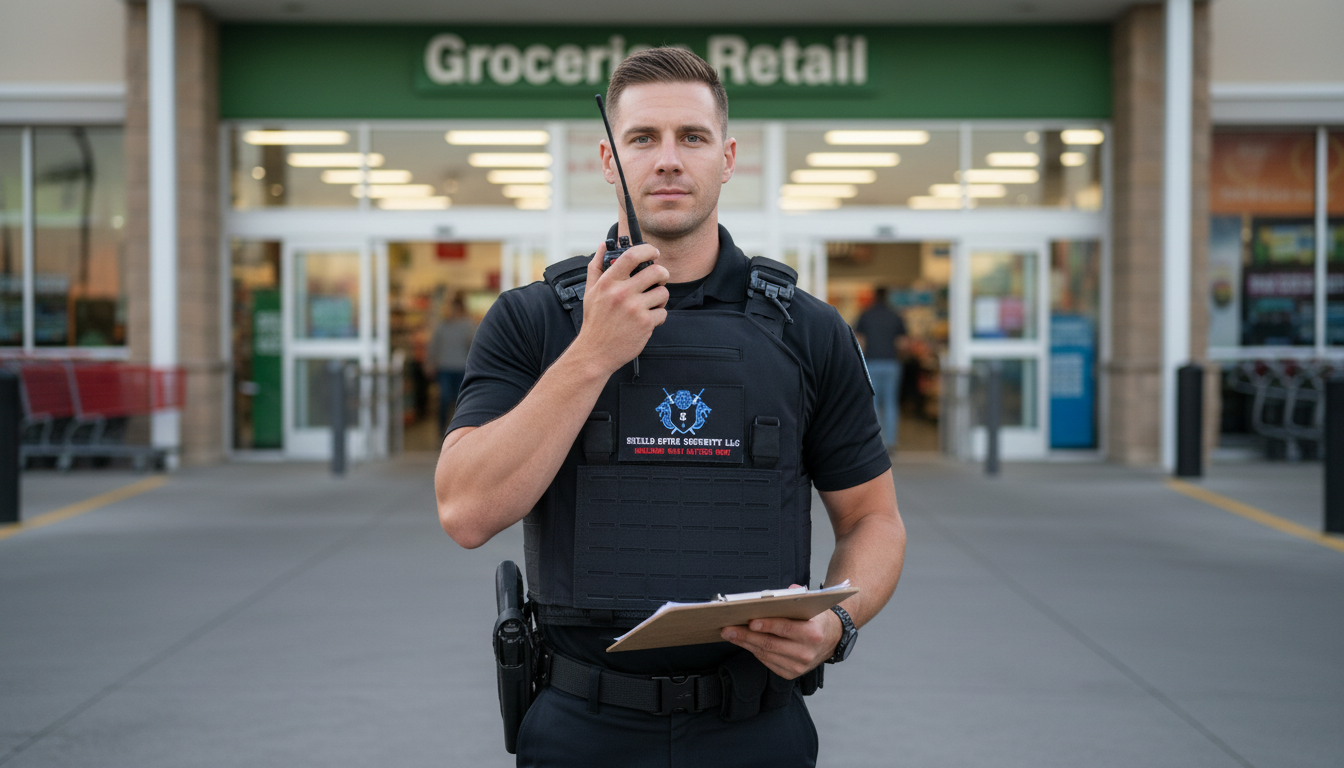
Security for spaces the public is invited into
Retail is the one environment designed to let strangers in. The doors are open by intention, the merchandise is within reach by design, and the same officer who deters a theft has to remain someone a customer is comfortable walking past. Shield Spire scopes retail coverage around that tension rather than ignoring it.
Retail exposure changes with the hour
A store has at least three distinct security profiles in a single day: open trading with customers and staff present, closing and cash handling, and a dark store holding its entire inventory behind one lock. A renovation, a promotion or a seasonal peak adds a fourth. Coverage should be scoped to the profile that actually concerns you.
- Open trading hours with unrestricted public access
- Stockrooms, back-of-house doors and delivery entrances
- Opening, closing and cash-handling routines
- Closed-store periods holding full inventory
- Contractors working inside the store after hours
- Promotions and launches that draw queues and crowds
Operational considerations
These are the conditions that most often shape a retail security scope — and the coverage that answers each one.
- Merchandise is accessible by design during trading hours
- How coverage answers itA visible uniformed presence positioned where it deters, without making customers feel policed
- Staff open and close the store alone
- How coverage answers itOfficer presence scheduled across opening and closing windows rather than mid-day only
- Contractors work inside the store after it closes
- How coverage answers itOvernight coverage with access control so only authorized personnel enter the work area
- A promotion or launch will draw a queue
- How coverage answers itEvent-style coverage for guest flow, queue management and crowd monitoring
- Back-of-house doors are propped during deliveries
- How coverage answers itAccess observation at the delivery point during scheduled receiving windows
- A situation escalates in front of customers
- How coverage answers itCalm de-escalation as the first response, with a defined escalation path to law enforcement
What good retail coverage looks like
Retail scopes are chosen by profile, not by square footage. The decision is which hours genuinely need an officer, and what that officer is there to do — deter, control access, or manage people.
- Uniformed presence positioned at the entrance or sales floor during chosen hours
- Access control at back-of-house and delivery doors
- Coverage of opening, closing and cash-handling routines
- Overnight or closed-store coverage when the space holds contractors or full inventory
- Queue and crowd support for promotions, launches and appearances
- Documented observation and a defined escalation path
How a deployment is stood up
Shield Spire does not simply send an officer. Coverage is scoped, assigned, supervised and documented.
- Step 1
Walkthrough
A supervisor walks the space with you to confirm entrances, back-of-house doors, sightlines and the hours that actually concern you.
- Step 2
Scope
Post position, hours and officer classification are set against the profile being covered — trading, closed-store, or event.
- Step 3
Assignment
Texas DPS licensed officers are assigned and briefed on your access and escalation rules before the first shift.
- Step 4
Coverage
Officers hold the post, support access at controlled doors and maintain a professional presence appropriate to the setting.
- Step 5
Documentation
Attendance is verified through geofenced clock-in and photo confirmation, with a daily activity report for every shift.
- Step 6
Escalation
Incidents are documented and escalated to a supervisor, and to you, without waiting for the next trading day.
Services that fit this environment
Retail scopes usually pair an officer classification chosen for the setting with coverage matched to the hours that carry the exposure.
Unarmed Security
The standard classification for a customer-facing sales floor — visible, approachable and appropriate to a retail setting.
Mobile Patrol
Scheduled patrol of the exterior, parking areas and closed premises outside staffed hours.
Armed Security
Used where the location, the merchandise value or the hours warrant it, decided during the walkthrough rather than by default.
Corporate Security
For shopping centres and commercial properties with management offices, reception areas and credentialed staff access.
What you know after closing
The difference between a guard and a security operation is what exists after the shift. Shield Spire deployments are supported by Shield Spire Ops, the operations platform Shield Spire Security uses for scheduling and accountability: officer attendance is verified through geofenced clock-in and photo confirmation, activity is captured in daily activity reports, incidents are documented in a structured format, and supervisors have visibility while the shift is still running.
Real deployments in retail settings
Two completed retail-sector engagements are documented below. Both were specific situations rather than ongoing trading-hours programmes, and each is described as exactly what it was.
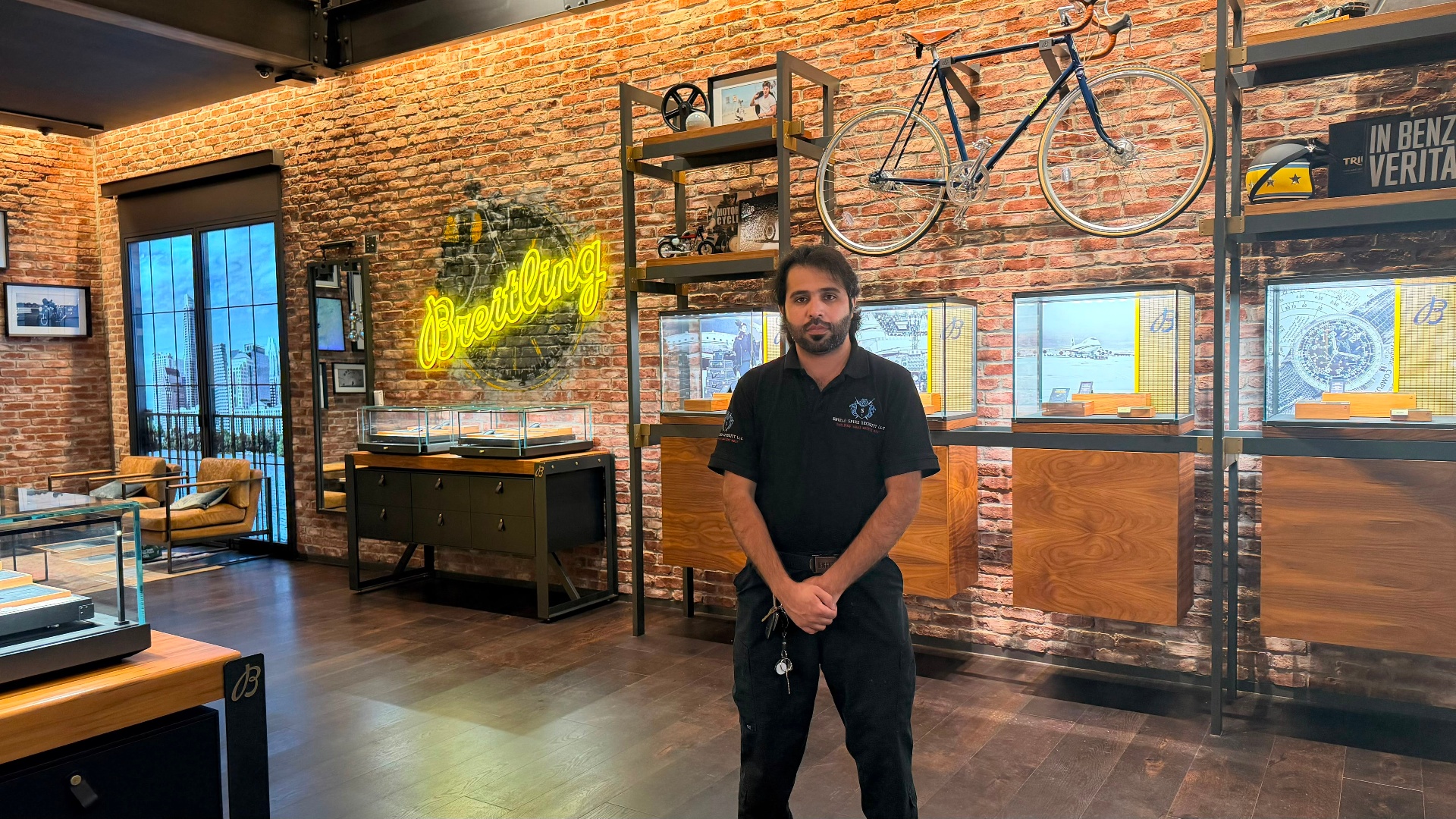
Luxury Retail Store Renovation Security Deployment – The Domain, Austin, Texas
Overnight coverage of a luxury store at The Domain in Austin while interior renovation work was under way. The store was closed, contractors were working inside, and fixtures, displays and stock remained on site — so the scope was access control and continuous presence through the non-trading hours, not sales-floor loss prevention.
Read the case study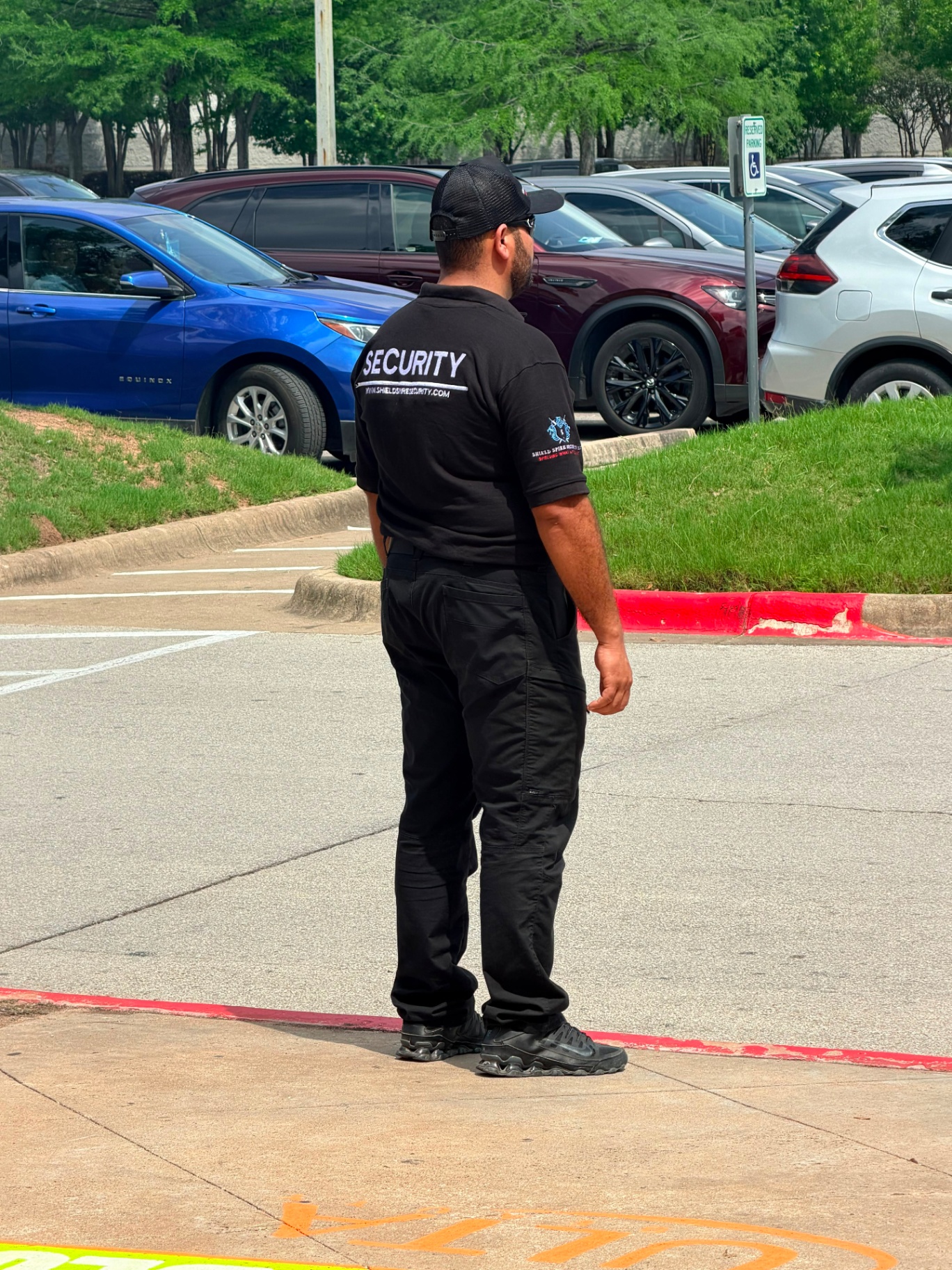
Celebrity Meet-and-Greet Event Security Operations – South Austin, Texas
A retail promotional event in South Austin built around a celebrity appearance. Officers supported queue management and guest flow for more than 160 attendees, and coverage was extended beyond the scheduled duration as demand continued.
Read the case studyCommon questions
- Do your officers detain shoplifters?
- Officers provide deterrence, observation, documentation and escalation. They are not law enforcement, and detention is not something Shield Spire offers as a standing service — how a specific incident is handled is agreed with you during scoping and stays within what Texas law permits a licensed security officer to do.
- Can we book coverage only for closing hours?
- Yes. Scoping coverage to the hours that actually carry the exposure — closing, cash handling, or a closed store — is common and usually a better use of the budget than covering the full trading day.
- Can you cover a store while it is being renovated?
- Yes, and Shield Spire has done exactly that. Overnight renovation coverage protects fixtures, displays and stock while contractors work, with access control ensuring only authorized personnel enter the work area.
- Can you support a promotion or launch event?
- Yes. Retail promotional events are scoped as event coverage — queue management, guest flow and crowd monitoring — with supervisor oversight, and Shield Spire has supported a celebrity appearance drawing more than 160 attendees.
- Will an officer make the store feel unwelcoming?
- That is a real risk in retail, and it is a scoping decision rather than an afterthought. Post position, classification and bearing are chosen for the setting, because in a customer-facing environment the officer is part of the experience.
Related environments
Properties with a similar access and after-hours profile.
Plan security for your store or property
Tell us the space, the hours that concern you and whether this is ongoing coverage or a specific situation. A supervisor will walk it with you before anything is scoped.