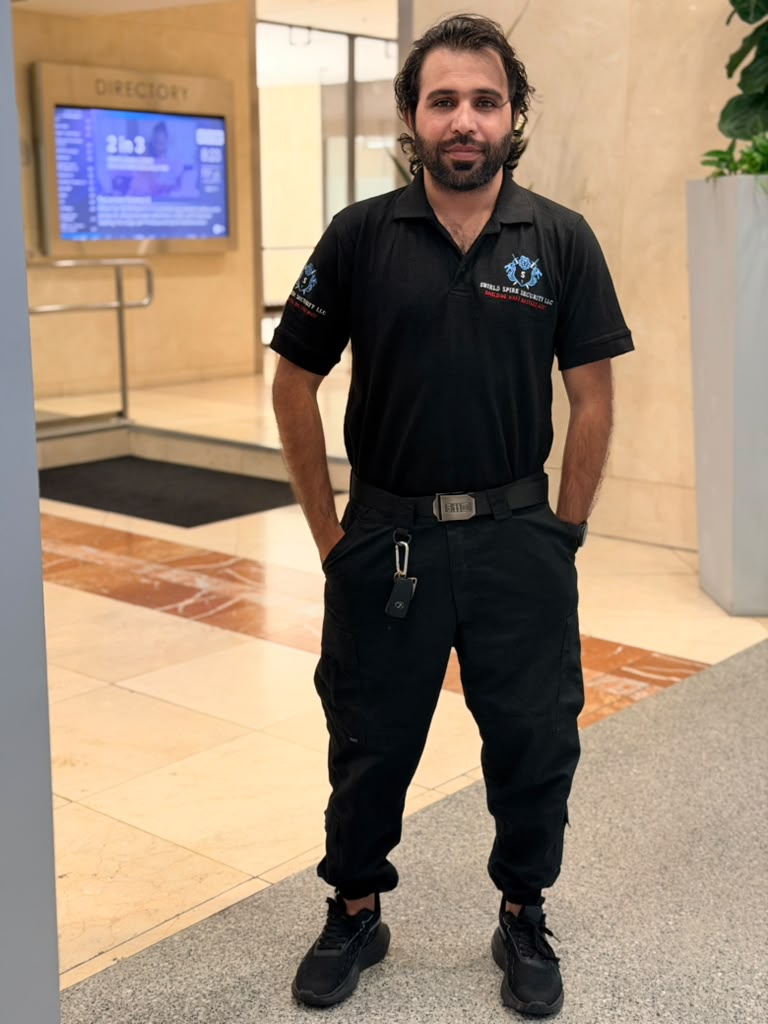
Security for the few hours that cannot be repeated
An event has no second attempt. The doors open at a fixed time, the guests arrive faster than expected, and whatever was not planned for has to be handled live, in front of everyone. Shield Spire staffs events as coordinated teams under a supervisor, because that is what the hours actually demand.
What an event actually asks of security
Event work is crowd work. The threat is rarely a single intruder — it is a queue that stops moving, an entrance that becomes a bottleneck, a guest who has had too much, an arrival nobody sequenced. The job is to keep people moving and comfortable while staying ready for the exception.
- Arrival surges concentrated into a narrow window
- Queues that need managing before they become crowds
- Guest lists, credentials and screening at the entrance
- Vehicle arrivals, drop-off and parking approaches
- Alcohol service and the behaviour that can follow
- A defined close-down with guests leaving all at once
Operational considerations
These are the conditions that most often shape an event security scope — and the coverage that answers each one.
- Attendance is higher than the plan assumed
- How coverage answers itOfficer count scoped to expected attendance, with a supervisor able to reposition the team live
- Queues form faster than the entrance can process
- How coverage answers itDedicated queue management and stanchion-supported guest flow at entry
- Only invited guests should be inside
- How coverage answers itGuest screening and credential checks at controlled access points
- A specific guest needs closer coverage than the crowd
- How coverage answers itExecutive protection scoped alongside, not instead of, general event coverage
- The event runs longer than booked
- How coverage answers itCoverage extensions arranged on site — Shield Spire has extended an event beyond its scheduled duration on request
- A situation develops in front of guests
- How coverage answers itCalm de-escalation as the first response, with a supervisor holding unified command
What good event coverage looks like
Event scopes are built from attendance, venue geometry and who is attending. The recurring pattern is a team rather than an individual: officers positioned by function, coordinated by one supervisor.
- Officer count scoped to expected attendance and entrance count
- A field supervisor holding unified command over the team
- Entry posts handling screening, credentials and guest flow
- Roving coverage across the venue and its perimeter
- Officer classifications combined to match the risk profile of the event
- A visible but low-profile presence appropriate to a hosted occasion
How a deployment is stood up
Shield Spire does not simply send officers. Event coverage is scoped, assigned, supervised and documented.
- Step 1
Walkthrough
A supervisor reviews the venue with you — entrances, guest flow, parking approaches and where the crowd will concentrate.
- Step 2
Scope
Officer count, classifications and post assignments are set against expected attendance and the profile of the event.
- Step 3
Assignment
Texas DPS licensed officers are assigned as a team, with a field supervisor named before the event.
- Step 4
Coverage
Officers hold entry posts, manage queues and guest flow, and rove the venue from arrival through close.
- Step 5
Documentation
Attendance is verified and event activity is captured in a report delivered after the engagement.
- Step 6
Escalation
The supervisor holds unified command, so decisions are made on site rather than escalated off-venue.
Services that fit this environment
Event scopes combine a dedicated event service with officer classifications chosen for the guest profile and the venue.
Event Security
The event-specific scope: entry posts, queue and crowd management, guest flow and supervisor-led coordination.
Unarmed Security
The standard classification for most hosted events — visible, approachable and appropriate to a guest environment.
Armed Security
Combined into the team where the guest profile or venue warrants it, decided during scoping rather than by default.
Executive Protection (PPO)
For a specific individual attending — an appearance, a speaker, a guest of honour — scoped alongside event coverage.
What exists after the event
The difference between a guard and a security operation is what exists after the shift. Shield Spire deployments are supported by Shield Spire Ops, the operations platform Shield Spire Security uses for scheduling and accountability: officer attendance is GPS-verified, activity is captured in structured reporting, incidents are documented, and supervisors have visibility while the event is still running.
Real deployments
Three completed event engagements are documented below. Every figure comes from the deployment record; further event case studies are published in the case-study library.
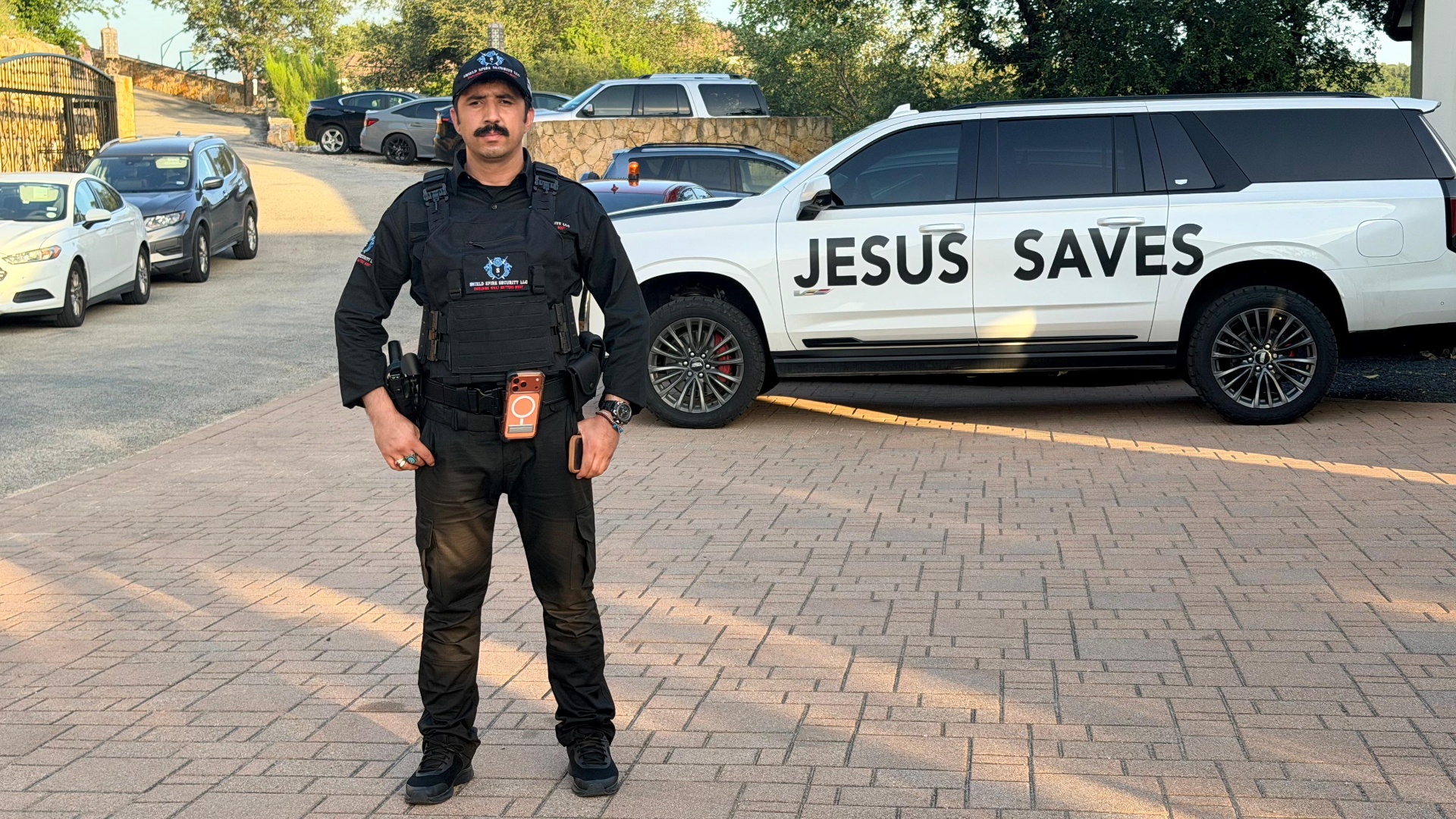
Church Charity Fundraising Event Security – Cedar Park, Texas
A church charity fundraising event at a private estate in Cedar Park, staffed as a layered team — one Level II officer, one Level III officer and a field supervisor under unified command — covering estate access, guest screening and vehicle arrivals while keeping a welcoming, low-profile presence.
Read the case study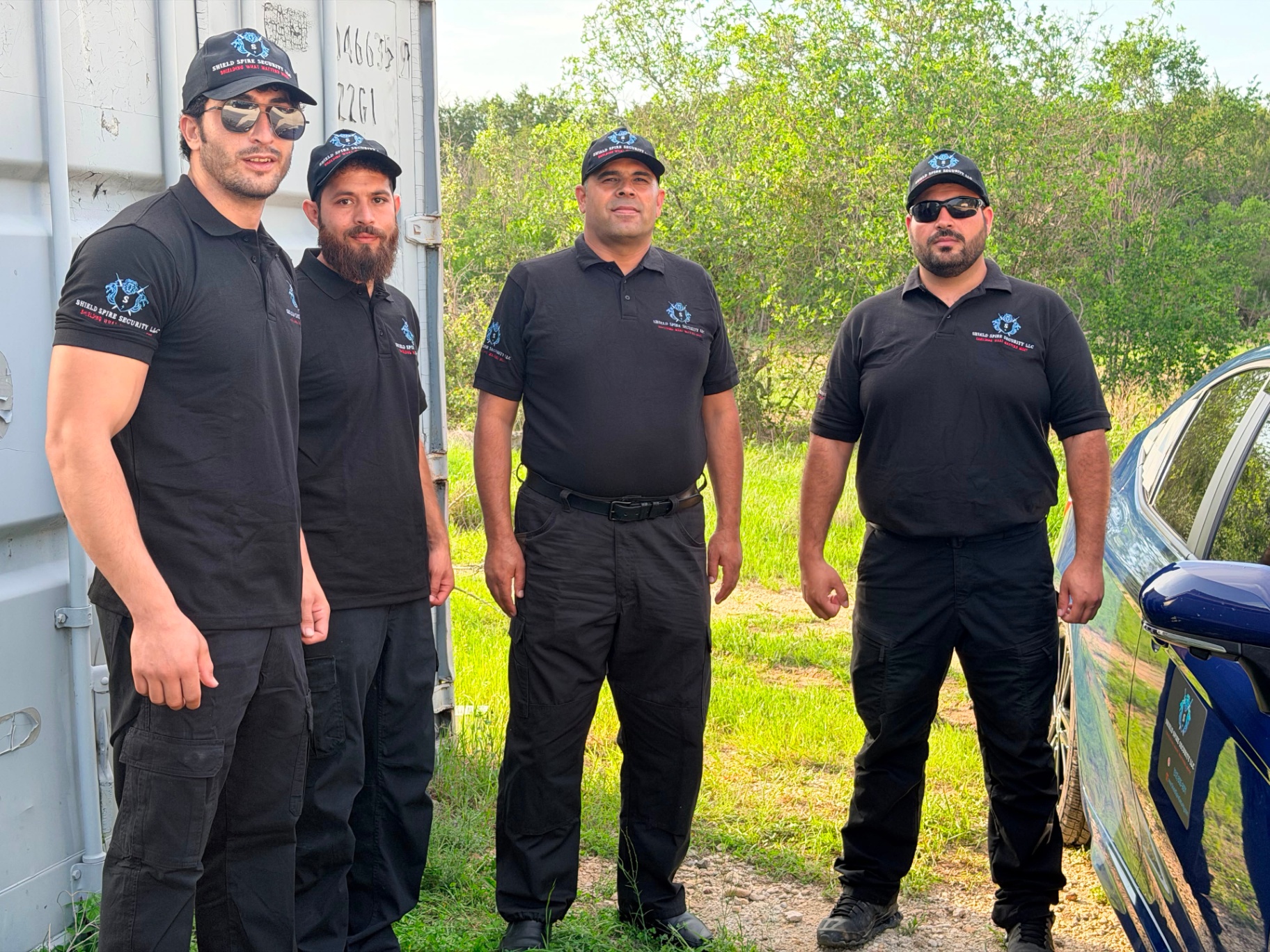
Graduation Ceremony Security Operations – Kyle, Texas
A graduation ceremony in Kyle supported by four uniformed officers and one supervisor for more than 200 attendees, covering the venue and its surrounding perimeter from arrival through dismissal.
Read the case study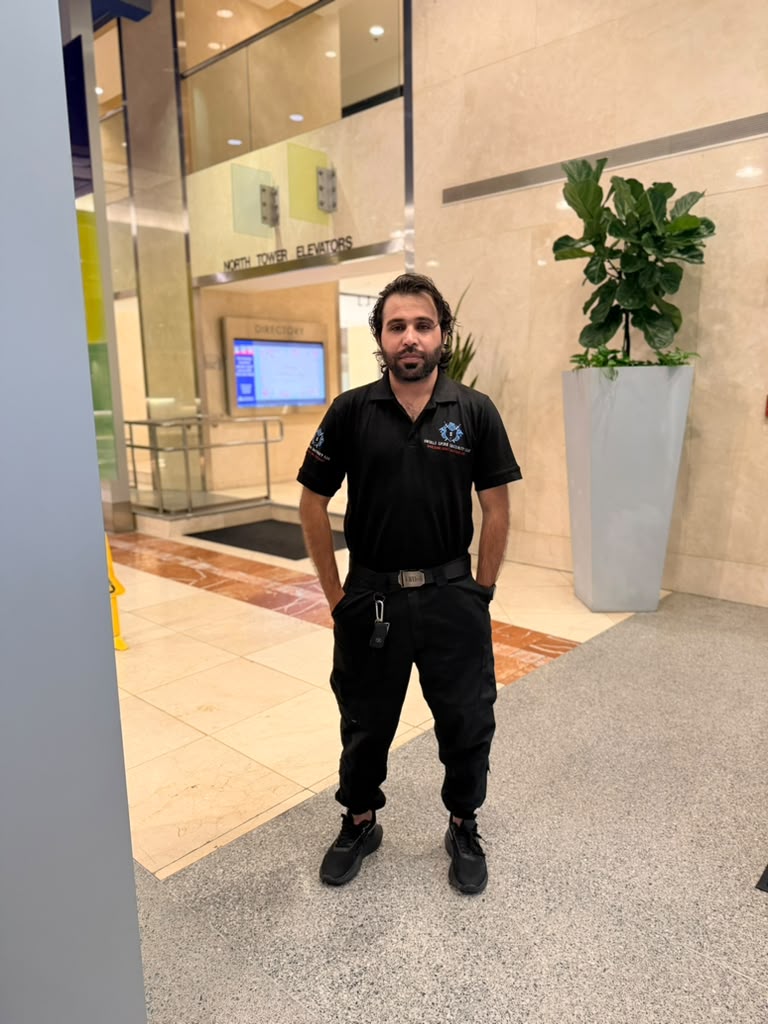
Technology Event Security Deployment – Downtown Austin, Texas
A technology event in downtown Austin where officers supported attendee safety, venue operations and access monitoring. The client left a verified public review describing the deployment as professional, communicative and well executed.
Read the case studyCommon questions
- How many officers does an event need?
- It is scoped from expected attendance, the number of entrances and the profile of the event. As reference points from completed deployments: a graduation for 200+ attendees was staffed with four officers and a supervisor, and a private estate charity event was covered by two officers and a field supervisor.
- Do you supply a supervisor, or just officers?
- Event teams are deployed with a field supervisor holding unified command. That is what allows the team to be repositioned live when arrivals or queues do not follow the plan.
- Can armed and unarmed officers work the same event?
- Yes, and combining classifications is common. A layered team lets the scope match the risk profile of different areas of the same event rather than applying one classification everywhere.
- What if the event runs longer than booked?
- Extensions are arranged on site where officer availability allows. Shield Spire has extended coverage beyond an event's scheduled duration when guest demand continued.
- Do officers handle ticketing, medical response or traffic control?
- No. Officers provide security presence, access and guest-flow support, observation and documentation. Ticketing, medical services and traffic-control authority sit with your event, your medical provider and the relevant public agencies.
Related environments
Properties with a similar access and after-hours profile.
Plan security for your event
Tell us the venue, the date, expected attendance and who is attending. A supervisor will review it with you before anything is scoped.