Access Control Security Services in Texas: Complete Business Guide (2026)
Professional access control security services help Texas businesses protect employees, visitors, and valuable assets by managing who enters and exits their facilities. Learn how trained access control officers improve workplace safety, reduce security risks, and support daily operations across commercial properties.
Shield Spire Security LLC
Shield Spire Security
Access Control Security Services in Texas: Complete Business Guide (2026)
Every business has one thing in common. People need to enter and leave the property throughout the day. Employees arrive for work, customers visit, contractors perform scheduled tasks, delivery drivers make shipments, and vendors provide essential services. While this daily activity keeps a business running, it also creates security risks if access is not properly managed.
Unauthorized entry remains one of the most common causes of workplace theft, property damage, workplace violence, and operational disruptions. Many incidents begin with someone entering a facility unnoticed or gaining access to areas they should never have reached.
Professional access control security services help businesses establish clear procedures for managing who enters a property, where visitors are permitted to go, and how security incidents are prevented before they occur. A trained security officer does much more than greet visitors. They verify identities, enforce access policies, maintain accurate visitor records, monitor suspicious activity, and help create a safe environment for employees, customers, and contractors.
Whether you operate a corporate office, construction site, warehouse, manufacturing facility, healthcare center, educational campus, or commercial property, effective access control is one of the most important layers of a comprehensive security program.
This guide explains how access control security services work, the responsibilities of professional access control officers, the industries that benefit most, and what businesses should consider when selecting a security provider in Texas.
Key Takeaways
- Access control security helps prevent unauthorized individuals from entering your property.
- Professional security officers verify employees, visitors, contractors, and deliveries while maintaining a welcoming environment.
- Effective access control reduces theft, liability, workplace safety risks, and operational disruptions.
- Modern access control combines trained security personnel with technology such as visitor management systems, electronic credentials, surveillance cameras, and access control software.
- Every business, regardless of size, benefits from clearly defined access procedures and professionally managed entry points.
What Are Access Control Security Services?
Access control security services are designed to regulate who is allowed to enter, exit, or move throughout a property. The objective is simple. Ensure that only authorized individuals have access to designated areas while maintaining an efficient and professional experience for legitimate visitors.
Unlike traditional reception services, access control officers are trained to recognize potential security concerns, follow established security procedures, and respond appropriately when situations require additional attention. They become the first point of contact for everyone entering the property while serving as an important part of the organization's overall security strategy.
Depending on the facility, an access control security officer may perform duties such as:
- Verifying employee identification cards
- Registering visitors and issuing temporary credentials
- Confirming contractor and vendor authorization
- Inspecting delivery documentation
- Monitoring entry and exit points
- Maintaining visitor logs
- Coordinating with property management
- Reporting suspicious activity
- Responding to emergencies or security incidents
Access control procedures may vary from one facility to another. A corporate office often focuses on employee identification and visitor management, while a construction project may emphasize contractor verification, equipment tracking, and vehicle access. Healthcare facilities may have additional requirements for patient privacy and restricted areas, while manufacturing plants often implement strict procedures to protect equipment, inventory, and intellectual property.
The most effective access control programs are built around the specific operational needs of each property rather than relying on a one-size-fits-all approach.
Why Access Control Matters for Modern Businesses
Businesses face a wide range of security challenges that extend far beyond theft. Protecting employees, customers, confidential information, equipment, and daily operations requires more than simply locking the front door after business hours.
During normal operating hours, dozens or even hundreds of people may enter a property each day. Employees, vendors, contractors, maintenance personnel, delivery drivers, clients, and guests all require different levels of access. Without structured procedures, it becomes difficult to determine who belongs on the property and who does not.
For example, a distribution warehouse may receive deliveries from multiple transportation companies throughout the day. Without proper verification procedures, an unauthorized individual could easily enter the property by appearing to be part of a scheduled delivery. Similar situations occur in office buildings, manufacturing facilities, hospitals, and construction sites every day.
Professional access control officers help reduce these risks by verifying credentials before access is granted. Their presence also serves as a visible deterrent to individuals who may be considering theft, trespassing, or other unauthorized activity.
Effective access control also supports business continuity. By maintaining organized visitor records and enforcing access procedures, businesses are better prepared to respond during emergencies, investigate incidents, and demonstrate compliance with internal security policies.
In many organizations, access control also contributes to a positive visitor experience. Friendly, professional security officers create an organized check-in process that makes employees, customers, and visitors feel welcomed while reinforcing that security is taken seriously.
A well-managed entry point sends an important message about the organization. It demonstrates professionalism, accountability, and a commitment to protecting both people and property.
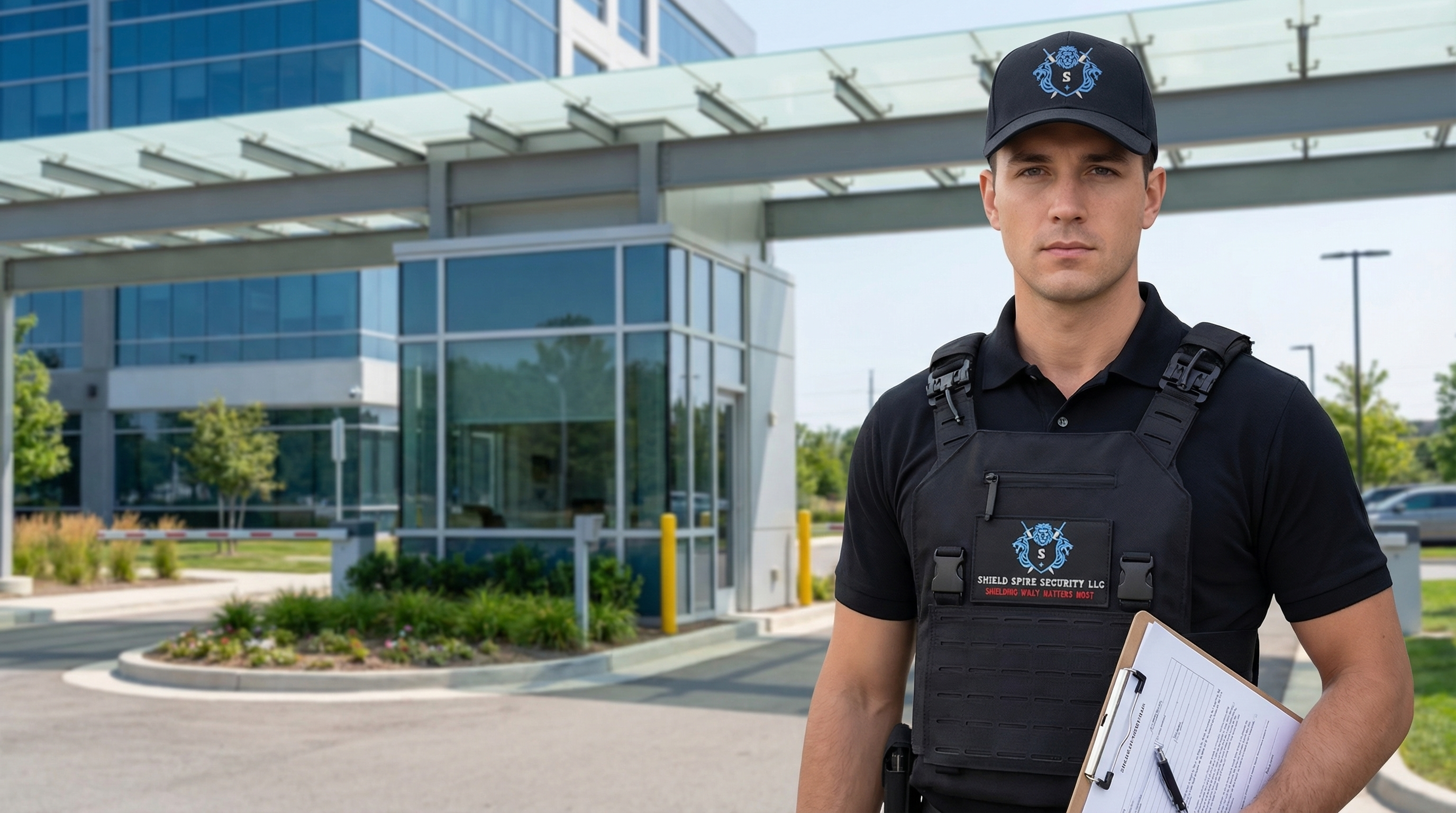
Professional access control officers verify credentials, manage visitor entry, and help create a safe and welcoming environment for employees, contractors, and guests.
Responsibilities of an Access Control Security Officer
An access control security officer is responsible for much more than monitoring a doorway or checking identification cards. Their primary role is to ensure that everyone entering or leaving a property follows established security procedures while maintaining a professional and courteous experience.
Every facility has unique operational requirements, but the goal remains the same. Protect people, protect property, and reduce unnecessary security risks before they become incidents.
A typical access control officer may begin each shift by reviewing scheduled visitors, contractor appointments, deliveries, and any special instructions provided by management. This preparation allows them to identify unusual activity more quickly throughout the day.
Some of the most common responsibilities include:
- Verifying employee identification and access credentials
- Registering visitors and issuing temporary visitor badges
- Confirming contractor authorization before entry
- Inspecting delivery documentation when required
- Monitoring entry and exit points throughout the property
- Recording visitor information and maintaining accurate logs
- Preventing unauthorized access to restricted areas
- Reporting suspicious behavior or security concerns
- Assisting emergency responders during incidents
- Coordinating with supervisors and property management
Professional communication is an important part of the position. Security officers regularly interact with executives, employees, customers, contractors, delivery drivers, vendors, and first responders. Every interaction reflects both the security provider and the organization they represent.
Situational awareness is equally important. Experienced officers continuously observe their surroundings, identify unusual behavior, and recognize potential security concerns before they escalate. Something as simple as an unfamiliar vehicle repeatedly entering a parking lot or an individual attempting to follow employees through a secured entrance may require immediate attention.
Well-trained access control officers understand that prevention is always more effective than responding after an incident has already occurred.
Industries That Benefit from Access Control Security
Nearly every commercial property benefits from professional access control services. While each industry has different operational requirements, controlling who enters a facility remains one of the most effective ways to improve safety and reduce risk.
Corporate Offices
Office buildings often receive a steady flow of employees, clients, vendors, job applicants, maintenance personnel, and delivery drivers throughout the day. Access control officers help ensure visitors are properly registered, directed to the appropriate location, and prevented from entering restricted work areas without authorization.
Construction Sites
Construction projects frequently involve multiple subcontractors, suppliers, equipment operators, inspectors, and delivery vehicles arriving throughout the day. Access control procedures help verify authorized personnel, document deliveries, and reduce opportunities for equipment theft or unauthorized site access.
Construction security becomes even more important after normal working hours when expensive equipment and building materials remain on site.
Warehouses and Distribution Centers
Warehouses often contain valuable inventory, sensitive shipments, and frequent truck traffic. Security officers verify deliveries, monitor loading docks, document vehicle arrivals, and help prevent unauthorized access to inventory storage areas.
An organized access control process also supports inventory accountability by maintaining accurate visitor and vehicle records.
Manufacturing Facilities
Manufacturing plants rely on controlled access to protect employees, specialized equipment, production processes, and proprietary information. Security officers help ensure that contractors, visitors, and vendors only enter approved areas while supporting workplace safety procedures.
Healthcare Facilities
Hospitals, medical offices, and healthcare campuses require additional attention because patient safety and privacy are critical. Access control officers help direct visitors, monitor restricted departments, and assist with emergency procedures while maintaining a calm and professional presence.
Educational Institutions
Schools, colleges, and universities often welcome thousands of students, faculty members, visitors, and contractors each day. Professional access control helps maintain a secure campus environment by monitoring entrances, verifying visitor credentials, and supporting emergency response plans.
Common Security Risks Without Proper Access Control
Many organizations underestimate how quickly security vulnerabilities can develop when access procedures are inconsistent or poorly enforced.
Unauthorized access is not always the result of sophisticated criminal activity. In many cases, incidents occur because someone simply enters a building without being challenged.
Common risks include:
Unauthorized Visitors
Individuals may enter a property without permission by following employees through secured entrances or claiming to have a scheduled appointment that cannot immediately be verified.
Theft
Unauthorized access creates opportunities for theft of equipment, inventory, personal belongings, confidential documents, and valuable business assets.
Construction sites, warehouses, and manufacturing facilities are particularly vulnerable because they often store high-value equipment that can be removed quickly if access is not properly monitored.
Workplace Violence
Controlling entry points allows businesses to identify concerning behavior before individuals gain unrestricted access to employees or customers.
While no security measure eliminates every risk, professionally managed access control significantly improves an organization's ability to prevent unauthorized entry.
Vandalism and Property Damage
Facilities without monitored entry points may experience higher rates of vandalism, trespassing, and intentional property damage, especially after business hours.
Tailgating
Tailgating occurs when an unauthorized individual follows an authorized employee through a secured entrance without presenting their own credentials.
Although this may appear harmless, it remains one of the most common methods used to bypass access control systems.
Security officers help reduce this risk by actively monitoring entrances and encouraging compliance with established security procedures.
Technology That Supports Access Control Security
Technology continues to improve how businesses manage access, but technology alone cannot replace trained security professionals.
Electronic systems provide valuable information, yet experienced officers provide judgment, communication, and decision making that automated systems cannot replicate.
Many organizations combine security personnel with technologies such as:
- Electronic access cards
- Visitor management software
- QR code visitor check-in systems
- Security cameras
- Intercom systems
- Automated gates
- License plate recognition
- Digital visitor logs
- Mobile incident reporting applications
When these systems are supported by trained officers, businesses benefit from both technology and human oversight.
For example, an access control system may confirm that an employee's badge is valid. However, a security officer can recognize if someone is attempting to use another person's credential, appears suspicious, or requires additional verification before entering the facility.
The strongest security programs combine modern technology with experienced personnel who understand how to apply security procedures in real-world situations.
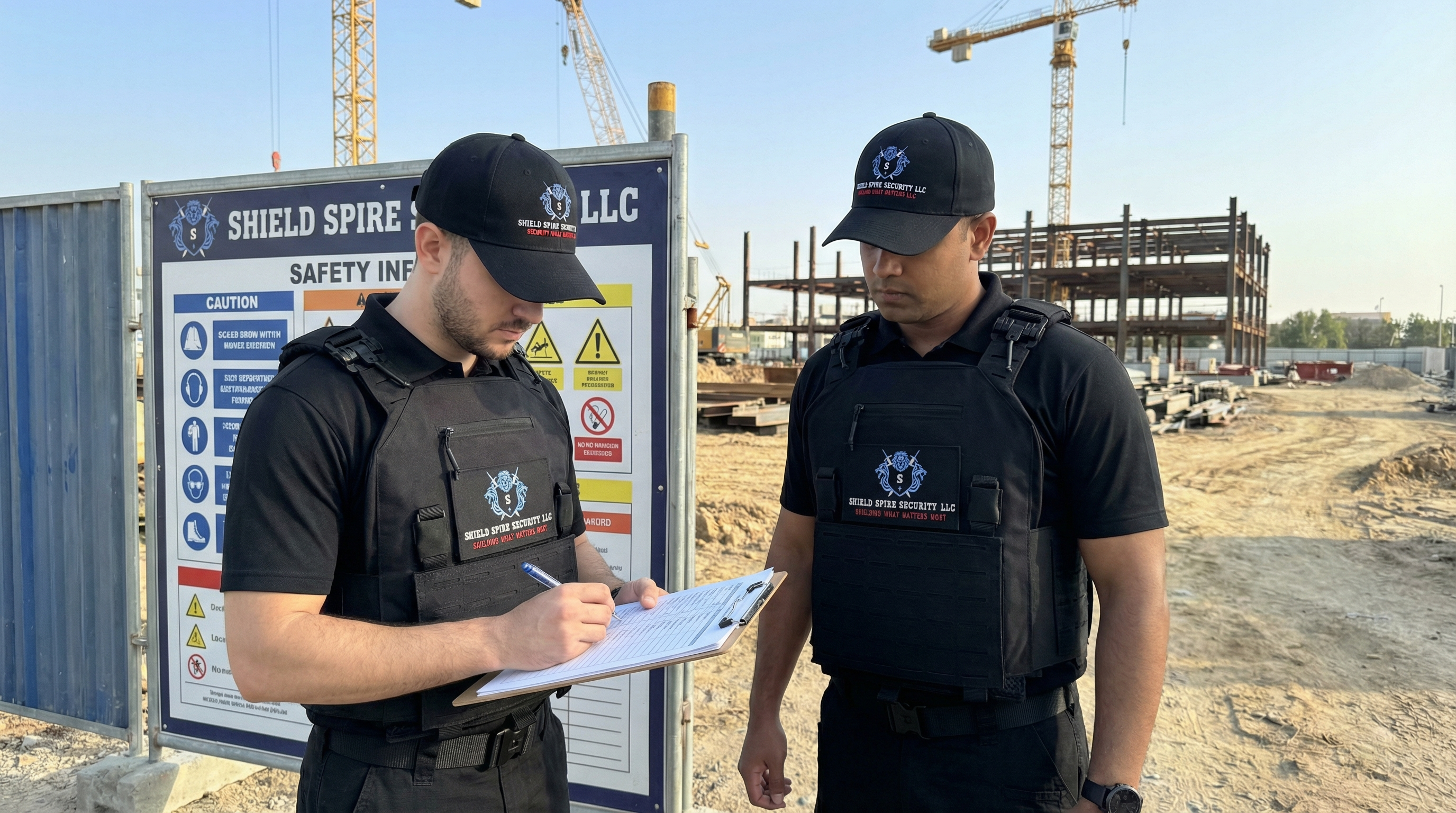
Professional access control combines trained security officers with modern technology to verify visitors, manage deliveries, and help protect commercial facilities throughout Texas.
How to Choose the Right Access Control Security Company
Selecting an access control security provider is an important decision that can directly affect the safety of your employees, visitors, and business operations. While pricing is certainly a consideration, businesses should also evaluate experience, professionalism, training, communication, and the provider's ability to adapt to their operational needs.
A professional security company should begin by understanding your facility rather than immediately recommending a standard security package. Every property presents different challenges, and an effective access control plan should reflect those differences.
When evaluating a security provider, consider the following factors.
Texas Licensing and Compliance
Always verify that the security company is properly licensed to operate in Texas. Licensed providers must comply with state regulations governing private security services, officer qualifications, and operational standards.
Working with a licensed company provides confidence that officers have received appropriate training and that the provider operates within applicable legal requirements.
Officer Training
Access control officers represent the first point of contact for your organization. They should demonstrate professionalism, excellent communication skills, strong situational awareness, and the ability to remain calm under pressure.
Training should include visitor management, incident reporting, emergency response procedures, conflict de-escalation, customer service, and property-specific security protocols.
Industry Experience
Every industry has different security priorities.
For example, a healthcare facility has different access requirements than a construction site, while a warehouse operates differently than a corporate headquarters.
Choosing a provider with experience protecting facilities similar to yours can improve both security effectiveness and daily operations.
Communication and Reporting
Clear communication is one of the most valuable aspects of professional security services.
Businesses should understand how incidents are reported, how supervisors communicate important information, and how clients receive updates regarding daily activity or security concerns.
Accurate documentation also supports internal investigations, insurance claims, compliance requirements, and long-term security planning.
Scalability
Business operations change over time.
A security provider should be capable of adjusting staffing levels as projects expand, new facilities open, seasonal activity increases, or operational requirements change.
Scalable security services allow businesses to respond to changing needs without sacrificing consistency or service quality.
Frequently Asked Questions
What is the difference between access control security and reception services?
Reception staff primarily focus on administrative responsibilities such as greeting visitors, answering phones, and directing guests. Access control security officers are trained to verify credentials, enforce security procedures, monitor suspicious activity, document visitor access, and respond appropriately to security incidents.
Can access control officers inspect vehicles entering a property?
Yes, when authorized by the property owner or client policies. Vehicle inspections may include verifying delivery documentation, confirming driver identification, checking access authorization, or inspecting cargo areas as part of established security procedures.
Are access control officers armed?
It depends on the property's security requirements.
Many access control positions are performed by professional unarmed security officers. Higher-risk facilities or locations with specific contractual requirements may require licensed armed security officers.
The appropriate level of security should always be determined through a professional security assessment.
Can access control services be provided after normal business hours?
Absolutely.
Many businesses require access control during overnight operations, weekend maintenance projects, scheduled deliveries, construction work, or special events.
Access control procedures remain important whenever individuals require access to a secured property.
Does technology replace access control officers?
No.
Technology enhances security, but it does not replace professional judgment.
Electronic access systems can verify credentials, record visitor information, and monitor entry points. However, trained security officers recognize suspicious behavior, make informed decisions, communicate with visitors, and respond appropriately to situations that automated systems cannot fully manage.
The most effective security programs combine modern technology with experienced security professionals.
Conclusion
Effective access control is one of the most important components of a comprehensive security strategy. Every employee, visitor, contractor, vendor, and delivery entering a facility represents an opportunity to strengthen security or introduce unnecessary risk.
By implementing structured access procedures and working with trained security professionals, businesses can better protect employees, safeguard valuable assets, improve workplace safety, and reduce the likelihood of unauthorized access.
Whether managing a corporate office, construction project, manufacturing facility, healthcare campus, warehouse, or commercial property, access control helps create an organized environment where security supports daily operations rather than disrupting them.
A professional access control program is not simply about restricting entry. It is about ensuring that the right people have access to the right areas at the right time while maintaining a safe, professional, and welcoming environment for everyone who enters the property.
Call to Action
Strengthen Your Facility's Security with Professional Access Control Services
Every property has unique security requirements. Whether you manage a corporate office, commercial building, warehouse, construction site, healthcare facility, or industrial operation, a well-planned access control program can help protect your people, property, and daily operations.
Shield Spire Security LLC provides licensed Texas security professionals who understand the importance of professional visitor management, controlled facility access, and responsive security services tailored to each client's operational needs.
If your organization is evaluating access control security services, our team can help assess your facility, identify potential vulnerabilities, and recommend security solutions that align with your operational goals.
Request a customized security consultation today to learn how professional access control services can help strengthen your organization's security posture.
Key Takeaways
This article provides comprehensive insights into business security practices. For customized security solutions tailored to your specific needs, contact our team of experts.
Related Articles
Unarmed Security vs. Armed Security: Which Is Right for Your Business? (2026 Guide)
Learn the differences between unarmed and armed security services, when each is appropriate, and how Texas businesses can choose the right level of protection for their property, employees, and operations.
Read MoreMobile Patrol Security Services: Benefits for Texas Businesses (2026 Guide)
Discover how mobile patrol security services help Texas businesses reduce crime, deter theft, improve property protection, and provide a cost-effective alternative to full-time on-site security guards.
Read MoreFire Watch Services in Texas: When Are They Required? (2026 Complete Guide)
Learn when fire watch services are required in Texas, who needs them, what trained fire watch officers do, and how businesses can remain compliant while protecting occupants and property during fire protection system outages.
Read MoreReady to Enhance Your Security?
Contact us today for a free consultation and quote on professional security services.